

How do Skeleton Slippers hold up in cold weather?
Sep 04, 2025
Leave a message
As a supplier of Skeleton Slippers, I've often been asked about how these unique slippers hold up in cold weather. In this blog, I'll delve into the various aspects of Skeleton Slippers' performance during the colder months, providing you with a comprehensive understanding of their capabilities.
Design and Material Considerations
Skeleton Slippers are typically designed with a distinct open - mesh or skeletal structure. This design is not only trendy but also has implications for their performance in cold weather. The open design allows for breathability, which is great in warm weather but might seem like a drawback when it's cold outside. However, the materials used in Skeleton Slippers play a crucial role in offsetting this potential issue.
Most Skeleton Slippers are made from high - quality plastics or synthetic materials. These materials have inherent insulating properties to some extent. For example, certain types of PVC used in the manufacturing of Outdoor PVC Slippers can provide a thin layer of protection against the cold ground. The plastic acts as a barrier, preventing the cold from seeping directly into your feet.
Insulation and Warmth
While the open design of Skeleton Slippers might suggest poor insulation, there are ways to enhance their warmth. Some manufacturers offer Skeleton Slippers with additional lining or padding. These linings can be made from materials such as fleece or faux fur, which are excellent insulators. The fleece lining traps air close to the feet, creating a warm micro - environment.

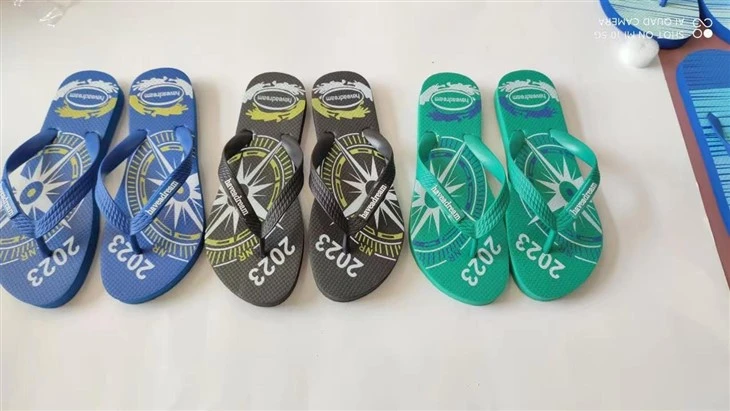
In addition, the structure of the slipper itself can contribute to insulation. The multiple layers of plastic or synthetic material in the sole and upper part of the slipper can slow down the transfer of cold from the outside. However, it's important to note that Skeleton Slippers are not designed to be as warm as traditional winter boots. They are more suitable for milder cold days or for indoor use during the winter.
Traction on Cold Surfaces
One of the key concerns in cold weather is traction. When there is snow, ice, or frost on the ground, slipping and falling can be a real danger. Skeleton Slippers are often equipped with textured soles to provide better grip. The grooves and patterns on the sole are designed to channel water, slush, and snow away, reducing the risk of slipping.
The type of plastic used in the sole also affects traction. Some plastics have better friction properties than others. For example, the soles of Sport Sandals are engineered to provide good traction on various surfaces, including cold and wet ones. However, it's still advisable to be cautious when walking on icy surfaces in Skeleton Slippers.
Durability in Cold Temperatures
Cold weather can be tough on materials. Plastics and synthetic materials can become brittle in low temperatures, which might lead to cracking or breaking. However, high - quality Skeleton Slippers are designed to withstand cold conditions. The manufacturers use additives and special formulations to make the materials more flexible and resistant to cold - related damage.
The construction of the slipper also plays a role in its durability. Well - made Skeleton Slippers have reinforced seams and joints, which are less likely to come apart in cold weather. Regular maintenance, such as keeping the slippers dry and storing them in a warm place when not in use, can also extend their lifespan during the winter.
Indoor vs. Outdoor Use
Skeleton Slippers can be used both indoors and outdoors in cold weather, but their performance may vary depending on the environment. Indoors, they can be a comfortable and stylish option. The open design allows for air circulation, preventing your feet from getting too sweaty, even when the indoor heating is on.
Outdoors, the performance of Skeleton Slippers depends on the severity of the cold. In mild cold weather, they can provide enough warmth and traction for short walks. However, in extremely cold conditions, they may not be sufficient. If you plan to be outside for an extended period in very cold weather, it's advisable to wear additional layers of socks or consider switching to more appropriate winter footwear.
Compatibility with Socks
Wearing socks with Skeleton Slippers can significantly improve their performance in cold weather. Thick woolen socks or thermal socks can add an extra layer of insulation. They can also fill in the gaps in the open design of the slippers, reducing heat loss.
The type of sock you choose also matters. Socks made from natural fibers like wool are better at retaining heat than synthetic socks. Additionally, socks with a good fit are important to ensure that they don't bunch up inside the slippers, which could affect your comfort and the slipper's performance.
User Experiences
Many users have shared their experiences of wearing Skeleton Slippers in cold weather. Some have found them to be surprisingly warm and comfortable, especially when paired with the right socks. Others have noted that they are great for quick trips outside, such as taking out the trash or getting the mail.
However, some users have also reported that the open design can be a drawback in very cold weather. They have found that their feet get cold quickly, especially if they are standing still for a long time. Overall, the user experiences vary depending on the individual's tolerance to cold, the specific design of the Skeleton Slippers, and the weather conditions.
Conclusion
In conclusion, Skeleton Slippers can hold up reasonably well in cold weather, especially when certain factors are considered. Their design and materials offer some level of insulation, traction, and durability. By wearing appropriate socks, using them in the right environment, and taking proper care of them, you can enjoy the comfort and style of Skeleton Slippers even during the colder months.
If you're interested in purchasing Skeleton Slippers or exploring our other products like Stylish Beach Slippers, we'd love to have a discussion with you. Whether you're a retailer looking to stock our products or an individual interested in a pair for yourself, feel free to reach out to us for a procurement discussion.
References
- "Footwear Materials and Their Performance in Different Climates" - Journal of Footwear Science
- "Insulation Properties of Synthetic Plastics in Cold Weather" - International Journal of Materials Science