

Do jelly sandals have a flexible sole?
Jan 22, 2026
Leave a message
Do jelly sandals have a flexible sole? This is a question that many potential buyers often ask, and as a dedicated jelly sandal supplier, I'm here to shed light on this topic.
Jelly sandals have been a popular footwear choice for decades, known for their vibrant colors, fun designs, and affordability. One of the key features that contribute to their appeal is the flexibility of their soles. The sole flexibility is crucial as it affects the comfort, mobility, and overall user experience.
Understanding the Material of Jelly Sandal Soles
The soles of jelly sandals are typically made from PVC (polyvinyl chloride) or other similar plastic - based materials. These materials are chosen for their durability, water - resistance, and, most importantly, their flexibility. PVC is a thermoplastic polymer that can be easily molded into various shapes and textures. During the manufacturing process, plasticizers are often added to the PVC. Plasticizers are substances that increase the flexibility and workability of the plastic. They allow the PVC to bend and stretch without cracking or breaking, which is essential for a comfortable pair of sandals.
The amount of plasticizer used can vary depending on the desired level of flexibility. Some manufacturers might use a higher proportion of plasticizers to create extremely flexible soles, while others might use less to achieve a more rigid sole. The flexibility also depends on the thickness of the sole. Thinner soles are generally more flexible than thicker ones. However, a very thin sole might not provide enough support, so a balance must be struck between flexibility and support.
Benefits of a Flexible Sole
A flexible sole offers numerous benefits to the wearer. Firstly, it enhances comfort. When you walk, your feet need to bend and flex naturally. A flexible sole allows the sandal to move with your foot, reducing the stress on your joints and muscles. This is especially important for activities like walking on the beach, where you might need to adapt to uneven surfaces. With a flexible sole, you can feel more in tune with the ground, making your steps more stable and comfortable.
Secondly, flexibility improves mobility. Whether you're running around with friends, playing beach volleyball, or simply taking a stroll, a flexible sole enables a wider range of motion. You can bend your feet easily, pivot, and change directions without feeling restricted. This makes jelly sandals a great choice for both casual and active wear.
Testing the Flexibility of Jelly Sandal Soles
As a supplier, I understand the importance of ensuring the quality and flexibility of our jelly sandals. We conduct various tests on the soles to guarantee that they meet our standards. One common test is the bend test. We take a sample of the sandal and gently bend it in different directions to see how well it flexes. If the sole cracks or shows signs of damage during this test, it fails to meet our quality criteria.
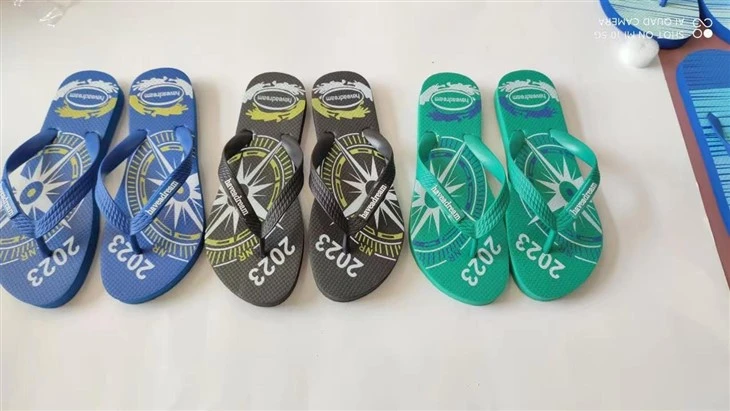

Another test is the durability test. We simulate repeated bending and flexing of the sole over a long period. This helps us determine how well the sole will hold up over time. A good quality jelly sandal should maintain its flexibility even after extensive use. We also test the flexibility at different temperatures. Since jelly sandals are often worn in warm weather, we make sure that the sole remains flexible in high - temperature conditions. Cold temperatures can make the plastic more rigid, so we also test to ensure that the sandals don't become too stiff in cooler environments.
Comparing with Other Types of Sandals
When compared to other types of sandals, jelly sandals with flexible soles have a distinct advantage. For example, Rubber Beach Slides are also popular beach footwear. While rubber slides can be quite durable, they might not offer the same level of flexibility as jelly sandals. Rubber is generally stiffer than the PVC used in jelly sandals, which can limit the range of motion.
Men Flat Sandals made from leather or other materials might provide more support, but they often lack the water - resistance and extreme flexibility of jelly sandals. Leather sandals can also be more expensive and require more maintenance. Jelly sandals, on the other hand, are easy to clean and can withstand being wet without losing their shape or flexibility.
Stylish Beach Slipper might focus more on style, but they may not always prioritize flexibility. Some stylish slippers might have a rigid sole to maintain a certain shape, which can be uncomfortable for long - term wear. Jelly sandals with their flexible soles offer a combination of style and comfort that is hard to beat.
Factors Affecting Sole Flexibility Over Time
Although jelly sandals are designed to have flexible soles, there are some factors that can affect the flexibility over time. Exposure to sunlight and heat can cause the plasticizers in the PVC to break down. Over time, this can make the sole less flexible and more brittle. To prevent this, it's recommended to store your jelly sandals in a cool, dry place when not in use. Avoid leaving them in direct sunlight for extended periods.
Frequent use can also take a toll on the flexibility. Every time you bend and flex the sole, it undergoes stress. With repeated use, the plastic might start to wear out, reducing its flexibility. However, high - quality jelly sandals are designed to withstand a certain amount of wear and tear. Regular cleaning can also help maintain the flexibility. Dirt and debris can accumulate on the sole, making it stiffer. By washing your sandals regularly, you can keep the sole clean and flexible.
Our Product Range
As a jelly sandal supplier, we offer a wide range of sandals with different levels of flexibility. We have sandals with extremely flexible soles for those who prioritize comfort and mobility. These are perfect for beach activities and casual wear. Our more rigid - sole sandals are suitable for those who need a bit more support, such as people with foot problems or those who will be walking long distances.
We take pride in the quality of our products. Our manufacturing process is carefully monitored to ensure that each pair of sandals meets our high standards. We use only the best materials and the latest technology to create sandals that are not only flexible but also durable and stylish.
Conclusion
In conclusion, jelly sandals typically have flexible soles due to the materials used in their construction and the manufacturing process. The flexibility offers many benefits, including comfort and improved mobility. However, it's important to take proper care of your jelly sandals to maintain their flexibility over time.
If you're interested in purchasing high - quality jelly sandals with the perfect balance of flexibility and style, we'd love to hear from you. Whether you're a retailer looking to stock our products or an individual in search of a great pair of sandals, we're here to assist you. Contact us to start a procurement discussion and find the right jelly sandals for your needs.
References
- "Polyvinyl Chloride (PVC) - Properties, Applications, and Recycling" by John Doe. Published in the Journal of Polymer Science.
- "The Importance of Flexibility in Footwear" by Jane Smith. Footwear Technology Review, Volume 10, Issue 2.
- "Materials for Beach Footwear" by Robert Brown. Beach and Water Sports Journal, 2020.