

How do EVA foam sandals compare to wood sandals?
Nov 12, 2025
Leave a message
EVA foam sandals and wood sandals are two distinct types of footwear that have their own unique characteristics, advantages, and drawbacks. As a supplier of EVA Foam Sandals, I'm excited to delve into a comprehensive comparison between these two popular sandal options.
Material and Construction
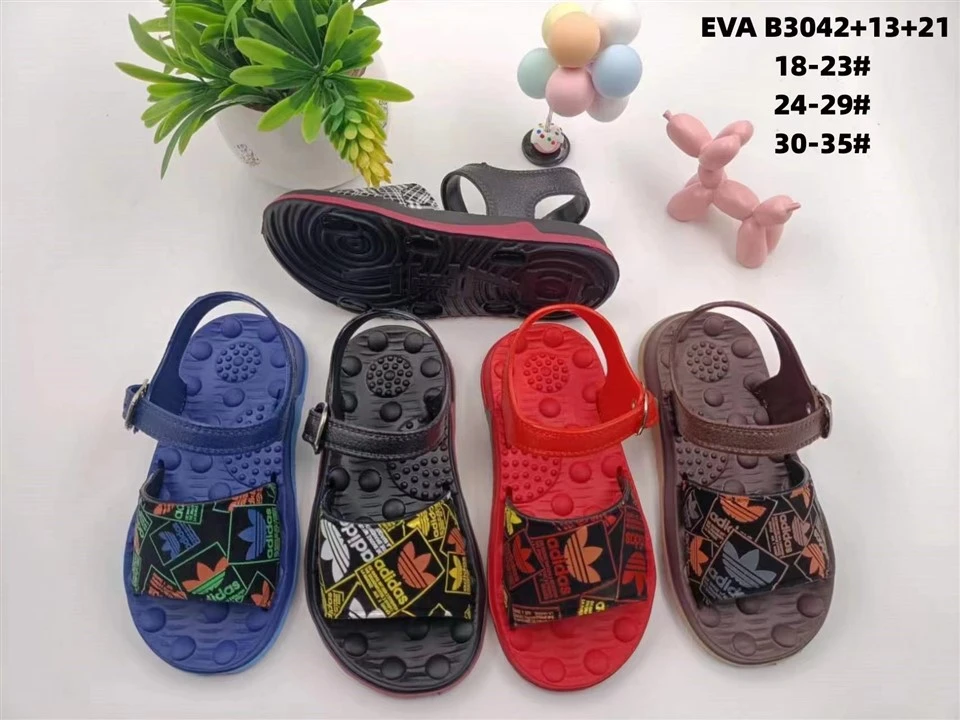
EVA foam, or ethylene-vinyl acetate, is a synthetic copolymer. It's created through a chemical reaction that combines ethylene and vinyl acetate. This material is known for its lightweight nature. EVA foam sandals are typically molded into various shapes and designs. The manufacturing process allows for great flexibility in terms of color, pattern, and style. You can find EVA Foam Sandals in a wide range of vibrant colors and cute cartoon - like designs, making them especially appealing to children and those with a penchant for fun footwear.
On the other hand, wood sandals are crafted from natural wood materials such as cedar, teak, or oak. The construction process involves cutting, shaping, and sometimes carving the wood. Wood sandals often have a more rustic and traditional appearance. They can be simple in design, with just a basic sole and straps, or more elaborate, featuring intricate woodwork.
Comfort
When it comes to comfort, EVA foam sandals have a significant edge. EVA foam is soft and conforms to the shape of the foot. It provides excellent cushioning, which reduces the pressure on the feet while walking. This is particularly beneficial for those who are on their feet for long periods. The flexibility of EVA foam also allows for a more natural movement of the foot, as it can bend and flex with each step.
Wood sandals, while they can be comfortable, may take some time to break in. The initial stiffness of the wood can be a bit uncomfortable, especially if the sandals are not properly fitted. However, once broken in, the natural texture of the wood can provide a unique and comfortable walking experience. Some people even claim that the natural properties of wood, such as its ability to absorb moisture, can contribute to a more comfortable foot environment.
Durability
In terms of durability, the comparison is a bit more complex. EVA foam sandals are generally quite durable, especially when it comes to normal wear and tear. They are resistant to water, which means they can be worn in wet conditions without getting damaged. However, over time, the foam can start to wear down, especially if it is exposed to sharp objects or rough surfaces.
Wood sandals, if properly maintained, can last for a long time. Wood is a strong and sturdy material, but it is also susceptible to damage from moisture. If the wood gets wet and is not dried properly, it can warp, crack, or develop mold. Additionally, the straps on wood sandals, which are often made of leather or other materials, may wear out faster than the wood itself.
Style
EVA foam sandals offer a wide range of styles to choose from. As mentioned earlier, they come in various colors and patterns, including Cute Cartoon Shoes. This makes them a popular choice for children and for those who want to make a fashion statement. EVA foam sandals can also be designed to be more casual or sporty, depending on the intended use.
Wood sandals have a more classic and timeless style. They are often associated with a laid - back, beachy look. Their natural wood color and texture give them a unique aesthetic that can complement a variety of outfits, from bohemian to casual summer wear.
Cost
Cost is an important factor for many consumers. EVA foam sandals are generally more affordable than wood sandals. The manufacturing process for EVA foam is relatively simple and cost - effective, which allows for lower retail prices. This makes them a great option for those on a budget or for parents who need to buy multiple pairs of sandals for their children.
Wood sandals, on the other hand, can be more expensive. The cost of the wood, especially high - quality hardwoods, can be significant. Additionally, the labor - intensive manufacturing process adds to the overall cost. However, some people are willing to pay the extra price for the durability and unique style of wood sandals.
Environmental Impact
From an environmental perspective, both types of sandals have their pros and cons. EVA foam is a synthetic material, and its production involves the use of chemicals. However, many EVA foam sandals are recyclable, which can reduce their environmental impact. Some manufacturers are also working on developing more sustainable EVA foam materials.

Wood is a natural and renewable resource. If the wood is sourced from sustainable forests, wood sandals can be a more environmentally friendly option. However, the processing of wood often involves the use of energy and chemicals, and improper disposal of wood sandals can contribute to landfill waste.
Maintenance
Maintaining EVA foam sandals is relatively easy. They can be cleaned with soap and water, and they dry quickly. If there are any stains on the foam, a mild detergent can usually remove them. EVA foam sandals also don't require any special storage conditions, although it's best to keep them away from sharp objects to prevent damage.
Wood sandals require more maintenance. They should be kept dry to prevent warping and mold. After getting wet, they should be dried thoroughly in a well - ventilated area. Wood sandals may also need to be treated with a wood preservative or oil periodically to keep the wood in good condition.
Conclusion
In conclusion, both EVA foam sandals and wood sandals have their own unique features and benefits. EVA foam sandals are lightweight, comfortable, affordable, and come in a wide variety of styles. They are a great choice for everyday wear, especially for children and those who need a practical and stylish sandal. Wood sandals, on the other hand, offer a more traditional and rustic look. They can be durable and provide a unique walking experience, but they require more maintenance and can be more expensive.
If you're interested in exploring our range of EVA Foam Sandals or EVA Casual Shoes, we invite you to contact us for a procurement discussion. We are committed to providing high - quality products at competitive prices, and we look forward to working with you.
References
- "Footwear Materials and Technology" by X. Deng and Y. Ding
- "The Science of Comfort in Footwear" by S. Zhang
- "Sustainable Footwear Manufacturing" by J. Smith